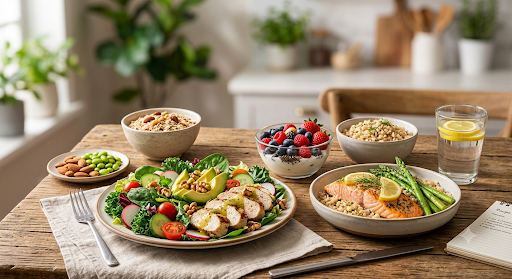
best meal plan with GLP -1 medication
best meal plan with GLP -1 medication
If you’ve recently started a GLP-1 medication for weight management, you may have noticed something unexpected: food doesn’t feel quite the same anymore. You may feel full after a much smaller meal. Some foods you used to enjoy may suddenly feel too heavy. And on some days, you may simply forget to eat because your appetite is much lower. That’s where nutrition becomes important.
A GLP-1 medication can help with appetite, fullness and blood-sugar regulation, but the medication doesn’t replace the need for good nutrition. When you’re eating less, each meal needs to provide enough protein, fiber, fluids and other nutrients to support your body. There isn’t one official “GLP-1 diet.” Instead, healthcare professionals generally emphasize nutrient-dense foods, adequate protein, fiber, hydration and smaller meals that are easier to tolerate.
So, what should you actually put on your plate?
Let’s make it simple.
What Is a GLP-1 Weight Loss Diet?
First, let’s clear up a common misunderstanding.
A GLP-1 weight loss diet isn’t a special crash diet.
GLP-1 medications include drugs such as semaglutide and tirzepatide. They can affect appetite, fullness and digestion, which means you may naturally eat less.
Because you’re eating smaller amounts, the quality of those foods matters.
A practical GLP-1-friendly eating pattern usually focuses on:-
| 1.Protein-rich foods 2. Vegetables and fruit 3.Fiber-rich carbohydrates 4.Healthy fats in moderate amounts 5. Plenty of fluids 6.Smaller, slower meals |
The goal isn’t to eat as little as possible. The goal is to nourish your body while supporting healthy, sustainable weight loss.
Why Does Food Matter So Much When Taking GLP-1 Medication for weight lose ?
GLP-1 medications can slow stomach emptying and reduce appetite. Some people also experience nausea, constipation, diarrhea, bloating or other digestive symptoms.You may be eating less—but your body’s nutritional needs haven’t disappeared.
For example, if your appetite is very low, it can become difficult to get enough protein or fluids simply because you don’t feel hungry.
That’s why a small but nutrient-dense meal can be more useful than forcing yourself to eat a large plate of food.
What to Eat on a GLP-1 Weight Loss Diet
1. Make Protein a Priority
Protein deserves special attention during weight loss because maintaining muscle is important.Good choices include: Eggs,Greek yogurt, Cottage cheese, Chicken, Fish- Salmon,Tofu, Tempeh,Lentils- Beans, Edamame etc.
“A 2025 JAMA Internal Medicine guide suggests prioritizing protein at meals during GLP-1 treatment to help support muscle maintenance during weight loss.’
You don’t need to make every meal enormous.
Instead, ask yourself:
“Where is my protein?”
If you’re having oatmeal, for example, consider adding Greek yogurt, milk, nuts or another protein source. If you’re eating a salad, add chicken, salmon, tofu, beans or eggs.
Small changes can add up.
2. Don’t Forget Fiber Fiber is another important part of a healthy GLP-1 eating pattern.
Good sources include:- Oatmeal, Berries,Apples, Pears, Beans, Lentils,Chickpeas,Vegetables,Chia seeds,Flaxseeds,Whole grains etc.
Fiber can support digestive health and may be particularly useful because constipation is a common concern for some people taking GLP-1 medications.
But there’s a catch.
Don’t suddenly double your fiber intake overnight.If your stomach is already sensitive, increase fiber gradually and drink enough fluids.
3. Choose Nutrient-Dense Carbohydrates
You don’t necessarily need to eliminate carbohydrates.Instead, choose carbohydrates that provide useful nutrients and fiber.Some options include:Oats, Quinoa,Brown rice,Sweet potatoes, Beans, Lentils, Whole-grain bread, Fruit
The goal is not to fear carbohydrates.It’s to make the carbohydrates in your diet work for you nutritionally.
4. Include Healthy Fats—But Keep Portions Comfortable
Healthy fats can absolutely be part of a balanced diet. Examples include: Avocado, Olive oil, Nuts, Seeds, Natural nut butter, Fatty fish
However, very high-fat meals may be difficult for some people to tolerate while taking GLP-1 medications and may worsen nausea or digestive discomfort.So instead of a huge serving, try a modest amount.
For example:-Grilled chicken + vegetables + quinoa + a small amount of avocado can be easier to handle than a very large, greasy meal.
10 Foods to Consider Adding to Your GLP-1 Grocery List
If you’re standing in the grocery store wondering what to buy, start here.
Protein
1. Eggs
2. Greek yogurt
3. Chicken breast
4. Salmon
5. Cottage cheese
Plant-Based Options
6. Lentils
7. Chickpeas
8. Tofu
Fiber-Rich Foods
9. Berries
10. Oats
You don’t need a refrigerator full of expensive “GLP-1-friendly” products.In fact, whole and minimally processed foods can form the foundation of your meals.
What Foods Should You Limit on GLP-1?
There isn’t a universal list of foods that every person taking a GLP-1 medication must completely avoid.However, certain foods may be harder to tolerate, particularly if you’re experiencing nausea, reflux or other digestive symptoms.
1. Very Fatty or Fried Foods
Example:- Fried chicken, French fries,Heavy creamy dishes, Greasy fast food, Very fatty cuts of meat etc.
High-fat meals can aggravate gastrointestinal symptoms for some people taking GLP-1 medications.
2. Large Meals
This one is easy to overlook.If your medication makes you feel full quickly, a huge meal may leave you uncomfortable.
Instead: Eat slowly. Start with a smaller portion. Stop when comfortably full.You can always eat again later if you’re genuinely hungry.
3. Sugary Drinks
Soda, sweetened coffee drinks, energy drinks and other sugary beverages can add a lot of calories without providing much nutritional value.Water is usually the simplest choice.
4. Highly Processed Snack Foods
Cookies, chips, candy and similar foods don’t have to be completely forbidden.
But if your appetite is already low, using limited food intake on foods that provide little nutritional value isn’t the most helpful strategy.
Think:
“What can give my body more nutrition in a smaller amount of food?”
That’s a much more useful question than simply asking which foods are “good” or “bad.”
What to Eat If GLP-1 Medication Makes You Nauseous
Nausea can make eating difficult.If this happens, some people find that smaller portions and simpler, lower-fat foods are easier to tolerate. Cleveland Clinic specifically notes that high-fat and spicy foods can worsen gastrointestinal symptoms for some people using GLP-1 medications.You could try foods such as:
– Plain oatmeal
– Toast
– Rice
– Bananas
– Applesauce
– Greek yogurt
– Eggs
– Soup
– Baked chicken
– Cooked vegetables
Eat slowly and don’t force a large meal.If nausea is severe, persistent or preventing you from getting enough fluids or food, contact your healthcare professional.
What to Eat If You’re Constipated on GLP-1
Constipation is another common concern.A few basics can help:
Fiber + fluids + movement
-Consider:
– Oats
– Berries
– Apples
– Beans
– Lentils
– Vegetables
– Chia seeds
Increase fiber gradually rather than suddenly loading up on high-fiber foods.And remember that adequate hydration matters.If constipation is severe, persistent or painful, speak with your healthcare professional rather than relying on internet remedies.
A Simple 1-Day GLP-1 Meal Plan
Here’s an example of what a balanced day could look like.
Breakfast – Greek yogurt + berries + chia seeds
This gives you protein, fruit and fiber without requiring a huge meal.
Lunch- Grilled chicken or tofu bowl ( you can try -Chicken or tofu, Quinoa, Cooked vegetables, A small amount of avocado)
Snack
Apple + a small handful of almonds (If you’re not hungry, you don’t necessarily need a snack).
Dinner
Salmon + roasted vegetables + sweet potato (Keep the portion comfortable rather than oversized.)
Drinks
Water throughout the day, adjusting your intake according to your individual needs and your healthcare professional’s advice.
This isn’t a prescription meal plan. It’s simply an example of how you can combine protein + fiber-rich foods + nutrient-dense ingredients.
What About Protein Shakes?
Protein shakes can be convenient if your appetite is low and you’re struggling to get enough protein from food.But they’re not mandatory.Whole foods can provide protein along with other nutrients.If you do use a protein shake, check the label for:
– Protein amount
– Added sugar
– Calories
– Fiber
– Ingredients
And if you have kidney disease or another condition that affects protein needs, talk with your healthcare professional before increasing protein substantially.
Can You Drink Coffee While Taking GLP-1?
There isn’t a universal rule saying everyone taking GLP-1 medication must stop drinking coffee.However, if coffee worsens nausea, reflux, stomach discomfort or appetite problems for you, reducing it may help.Pay attention to how your own body responds rather than assuming every GLP-1 user needs the same restrictions.
One Mistake to Avoid: Eating Too Little
This may sound strange when your goal is weight loss.
But “less food” isn’t automatically “better weight loss.”GLP-1 medications can reduce appetite significantly. If you consistently eat too little, you may struggle to get enough protein, fluids, vitamins and minerals.Rapid weight loss can also involve loss of lean tissue, which is why protein and resistance exercise are important considerations during treatment.
Your goal should be: Lose excess body weight while protecting your overall health and muscle mass.Lose excess body weight while protecting your overall health and muscle mass.
Do You Need to Exercise While Taking GLP-1?
Nutrition is only one part of healthy weight management.Physical activity—particularly resistance training—can be useful for maintaining muscle while losing weight.You don’t need to start with an intense workout program.Depending on your health and fitness level, you might begin with:
– Walking
– Light strength exercises
– Bodyweight exercises
– Resistance bands
– Gradually increasing activity
If you have medical conditions or haven’t exercised for a long time, ask your healthcare professional what level of activity is appropriate for you.
The Bottom Line
There is no magic GLP-1 weight loss diet.The best approach is usually much simpler than social media makes it sound.
Focus on:
Protein + fiber + nutrient-dense foods + fluids + comfortable portions.
Choose foods you can tolerate and actually enjoy.And don’t feel pressured to buy expensive products simply because the package says “GLP-1 friendly.” That phrase is increasingly appearing on food products, but it isn’t a guarantee that a food is nutritionally superior.Your everyday grocery-store foods can be enough to build a balanced eating pattern.
If you’re taking a GLP-1 medication, your healthcare professional or a registered dietitian can help you adapt these ideas to your medication, health history and nutritional needs.Your medication may change how much you want to eat. Your food choices still determine what nutrients your body receives.
Medical Disclaimer
This article is for general educational purposes only. It is not medical advice and does not replace guidance from your doctor, pharmacist or registered dietitian. GLP-1 medications can have side effects and may not be appropriate for everyone. Never change your medication dose or stop a prescribed medication based solely on information found online.
Frequently Asked Questions
1.What is the best diet for someone taking GLP-1 medication?
There is no single official GLP-1 diet. A balanced pattern emphasizing adequate protein, fiber-rich foods, vegetables, fruit, nutrient-dense carbohydrates, healthy fats and adequate fluids is generally recommended.
2.What are the best foods to eat on GLP-1?
Protein-rich foods such as eggs, Greek yogurt, fish, chicken, tofu and beans are useful choices. Pair them with vegetables, fruit and fiber-rich whole grains.
3.What foods should you avoid on GLP-1?
There isn’t one universal banned-food list. However, greasy, fried, very fatty, spicy or highly sugary foods may worsen digestive symptoms for some people.
4.Can you eat carbs on a GLP-1 diet?
Yes. Whole grains, oats, beans, lentils, fruit and vegetables can all fit into a balanced eating pattern.
5.Do you need more protein while taking GLP-1?
Protein is particularly important during weight loss because maintaining muscle matters. Your individual protein needs depend on factors such as body size, age, activity and health status.
6.What should I eat if I feel nauseous after taking a GLP-1?
Smaller meals and simpler, lower-fat foods may be easier to tolerate. If nausea is persistent, severe or prevents you from eating or drinking adequately, contact your healthcare professional.
7.Can GLP-1 medication cause constipation?
Yes. Constipation can occur with GLP-1 medications. Adequate fluids, gradual increases in fiber and regular movement may help, but persistent or severe symptoms should be discussed with a healthcare professional.
8.Can you lose muscle while taking GLP-1?
Weight loss can include loss of lean tissue as well as fat. Adequate protein and resistance exercise are therefore important considerations during weight loss.